Product Updates: May 29, 2026

This release introduces a new set of enhancements focused on AI-powered workflows, deeper integration management, and more actionable cost optimization insights. These updates are designed to help teams analyze cloud costs faster and take action more efficiently across their environments.
Databricks Integration
You can now connect your Databricks workspace to Cloudchipr. The new guided integration flow automatically connects to Databricks and generates Savings Opportunities, helping teams identify underutilized resources, reduce unnecessary spend, and optimize Databricks costs more efficiently.
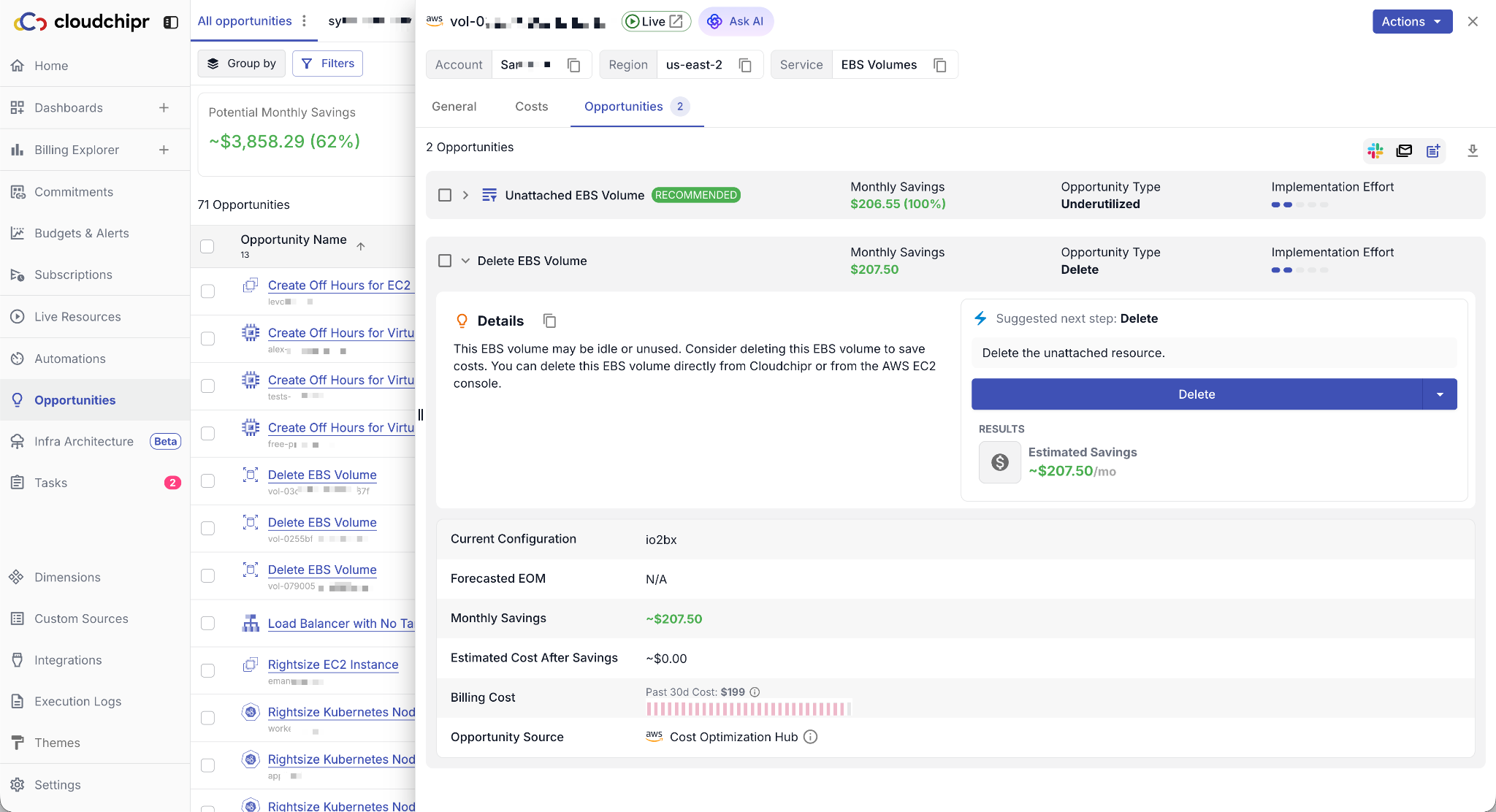
Suggested Next Steps for Savings Opportunities
Savings Opportunities now include actionable next steps. Each recommendation includes a detailed explanation, a suggested action, and the estimated financial impact. Where supported, actions such as stopping, creating Off-hours workflows, or deleting resources can be executed directly from Cloudchipr.
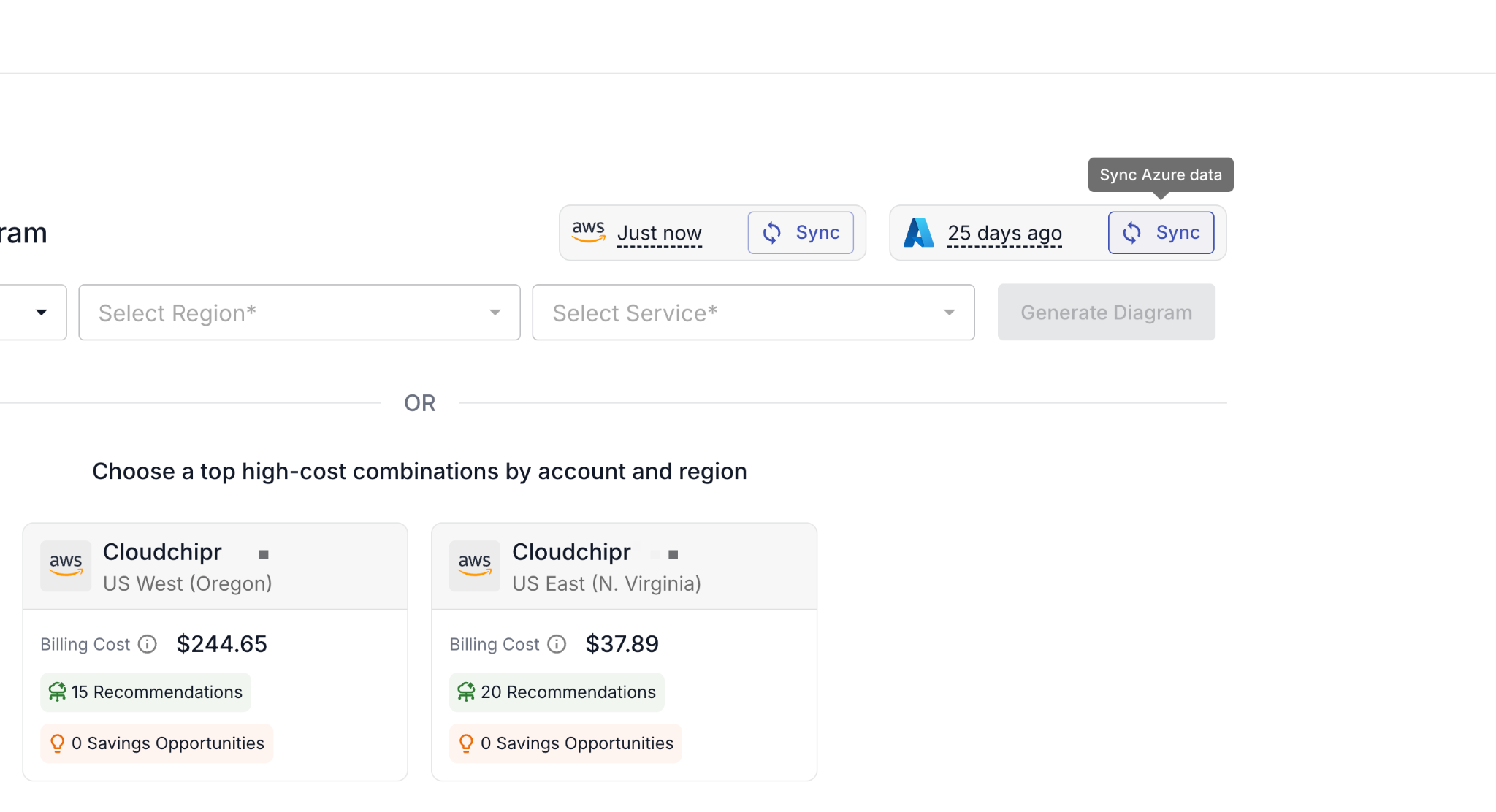
Infrastructure Architecture Sync Visibility
Infrastructure Architecture now displays the latest synchronization status. You can see when the last sync occurred and manually trigger a new sync directly from the interface.
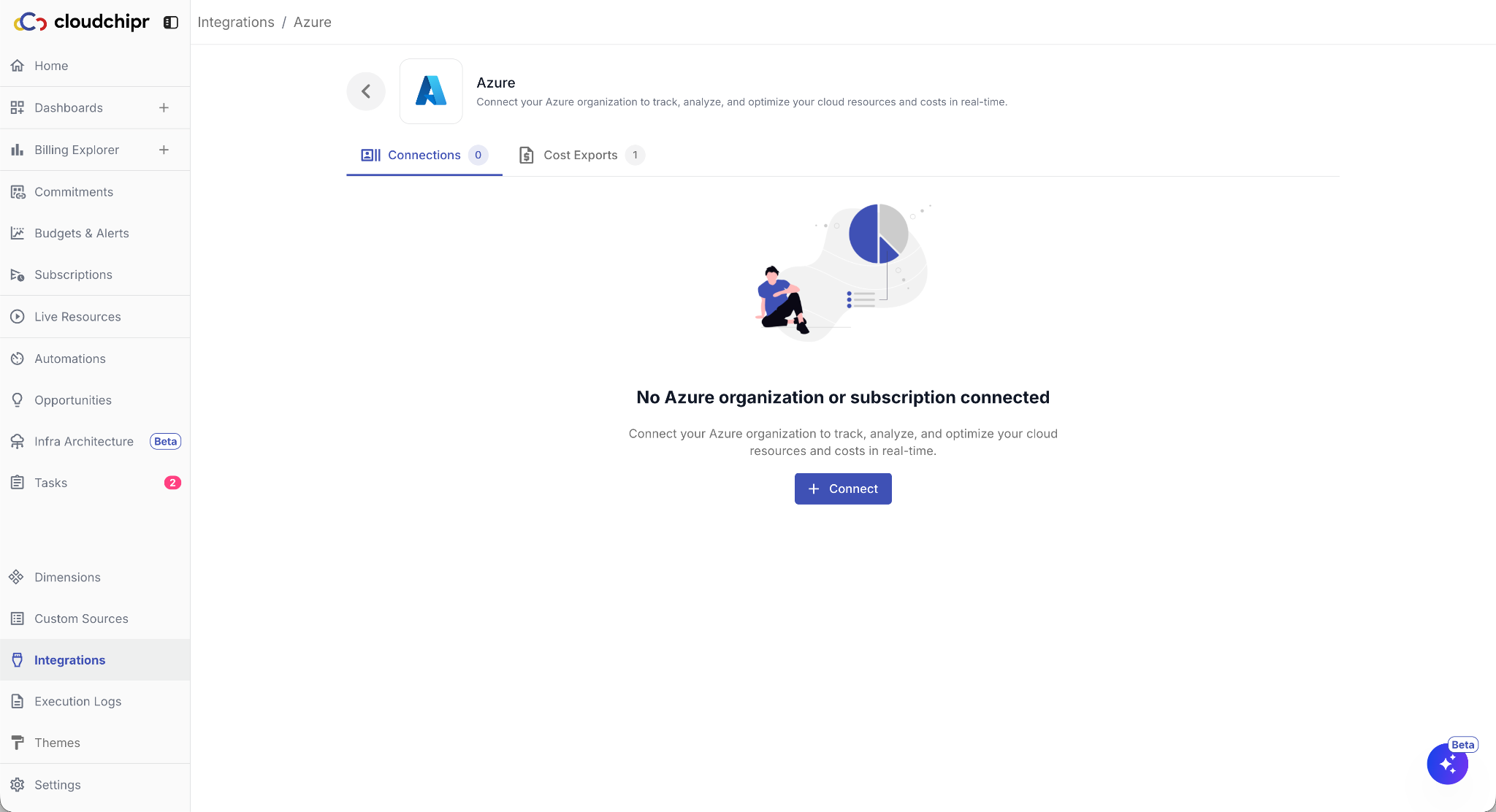
Azure Subscriptions in the Integrations Page
Azure subscriptions are now fully available from the Integrations page. This update centralizes cloud provider connections alongside third-party integrations, giving teams a unified location to manage connected services and subscriptions.
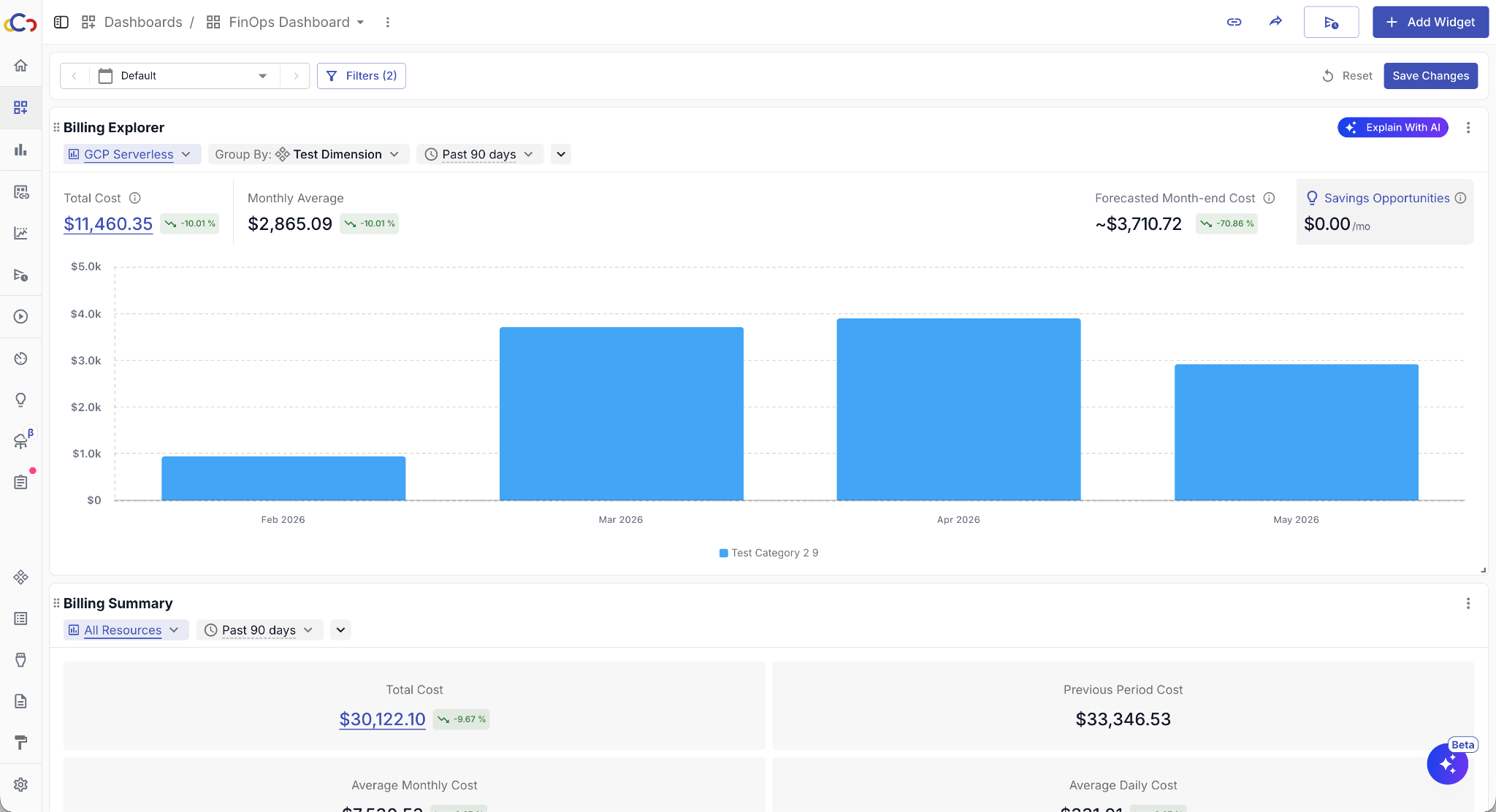
Save and Reset Dashboard Filters
Dashboards now include explicit Save and Reset controls for filters and date ranges. Previously, filter changes were applied automatically. With this update, users can experiment with dashboard views and decide whether to persist or discard their changes.
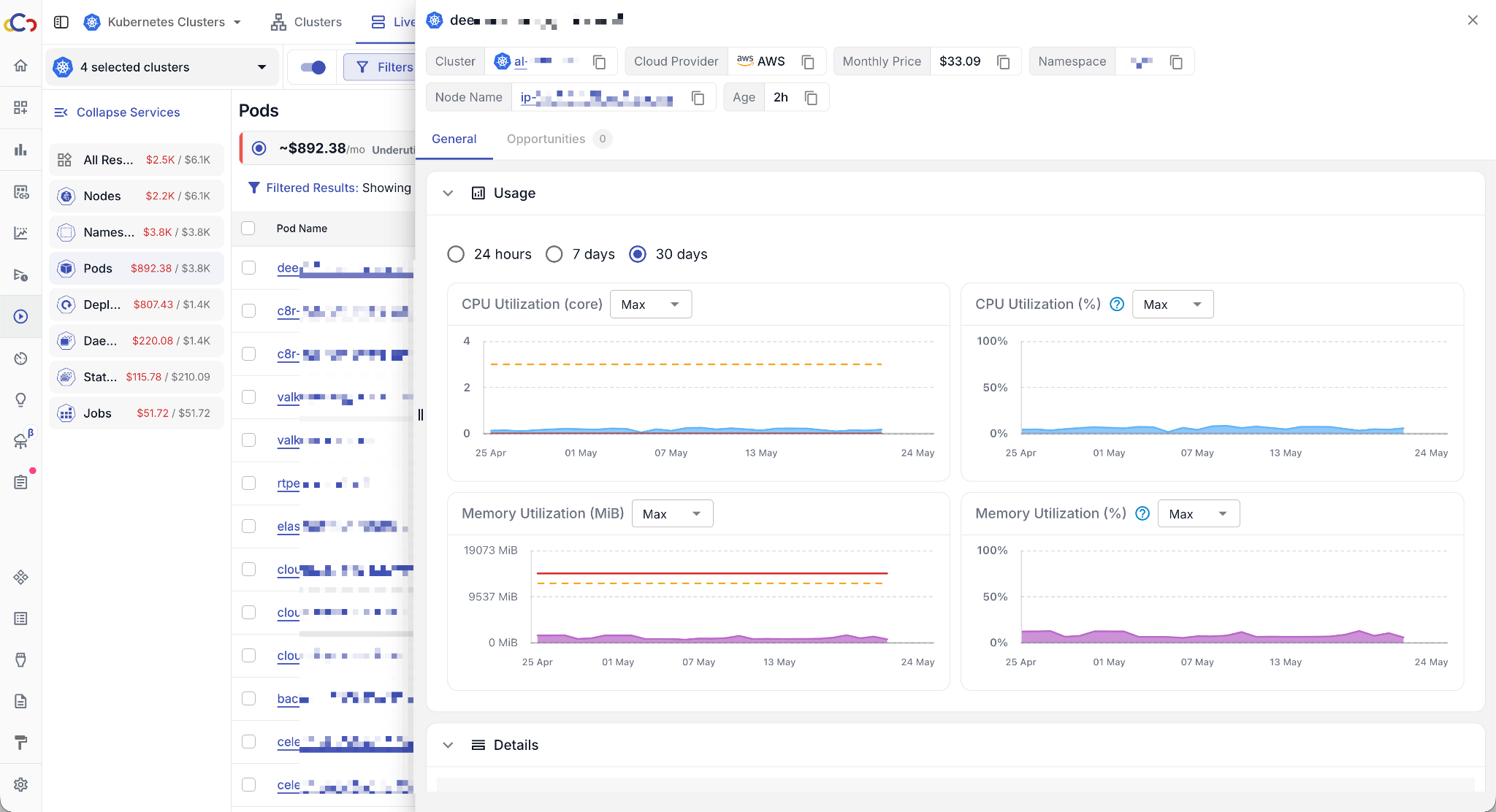
Expanded Kubernetes Metrics in Drawers
Kubernetes resource drawers now provide enhanced metric visibility. In addition to percentage-based utilization, charts now display CPU usage in core units and memory usage in MiB. Request and Limit values are also included across Workload, Node, and Cluster drawers for deeper infrastructure analysis.
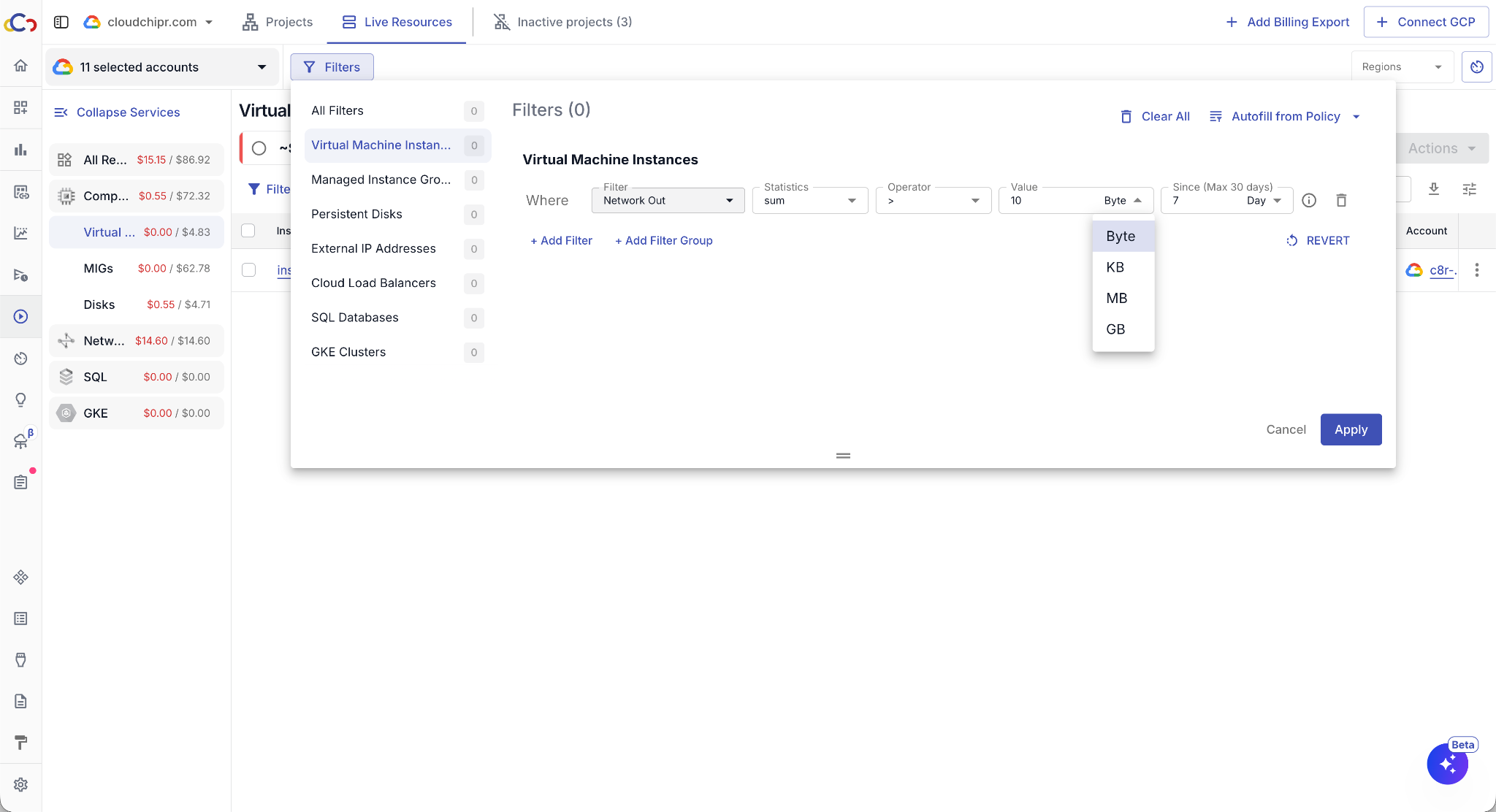
Metric Units in Filters
Filters now support customizable metric units. Users can choose their preferred units, including KB, MB, GB, and others, when filtering metrics across the platform.
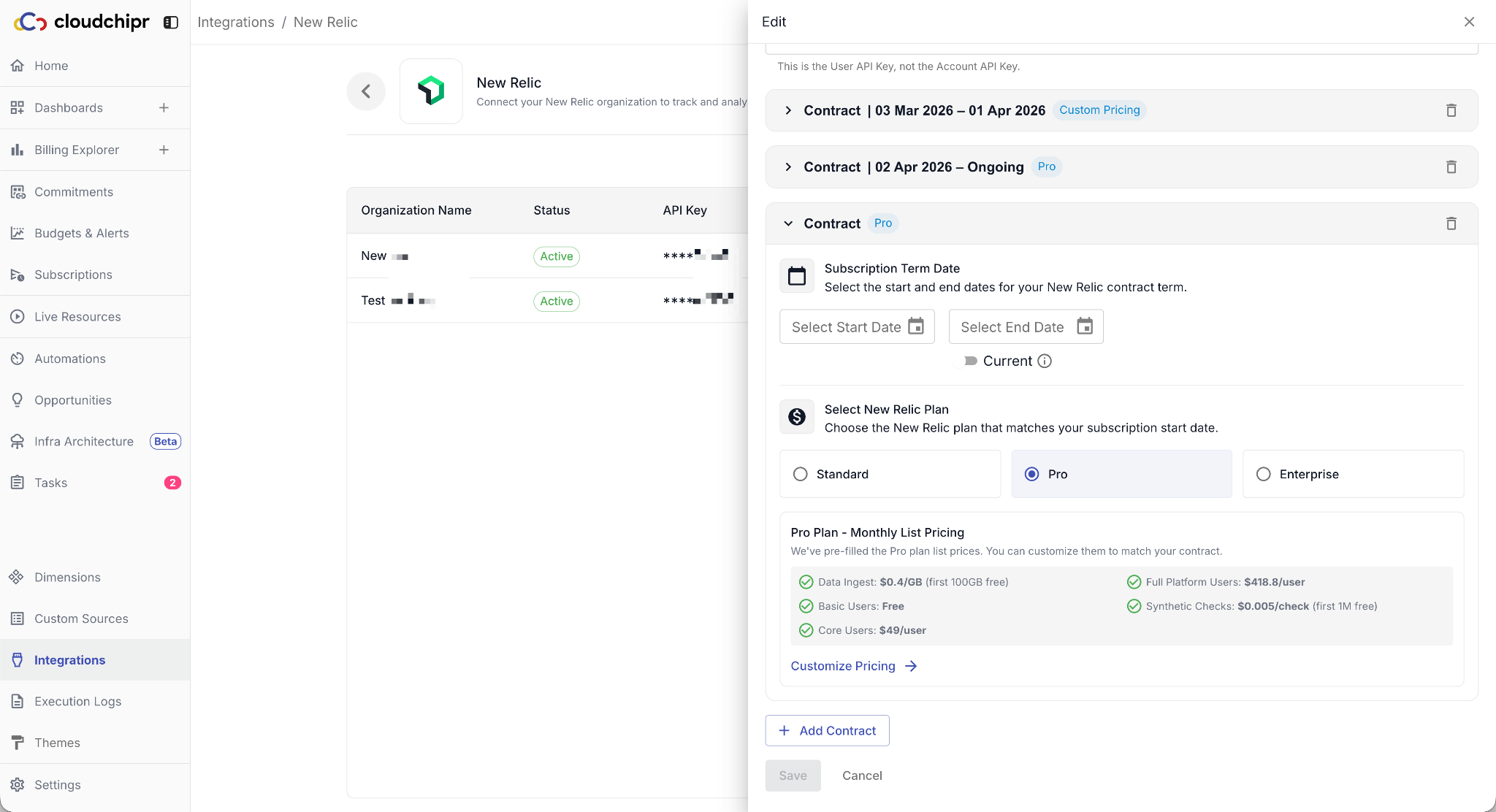
Multiple Contracts for New Relic Integrations
New Relic integrations now support multiple contracts. This allows organizations with more complex billing structures to manage multiple contracts within a single integration connection.
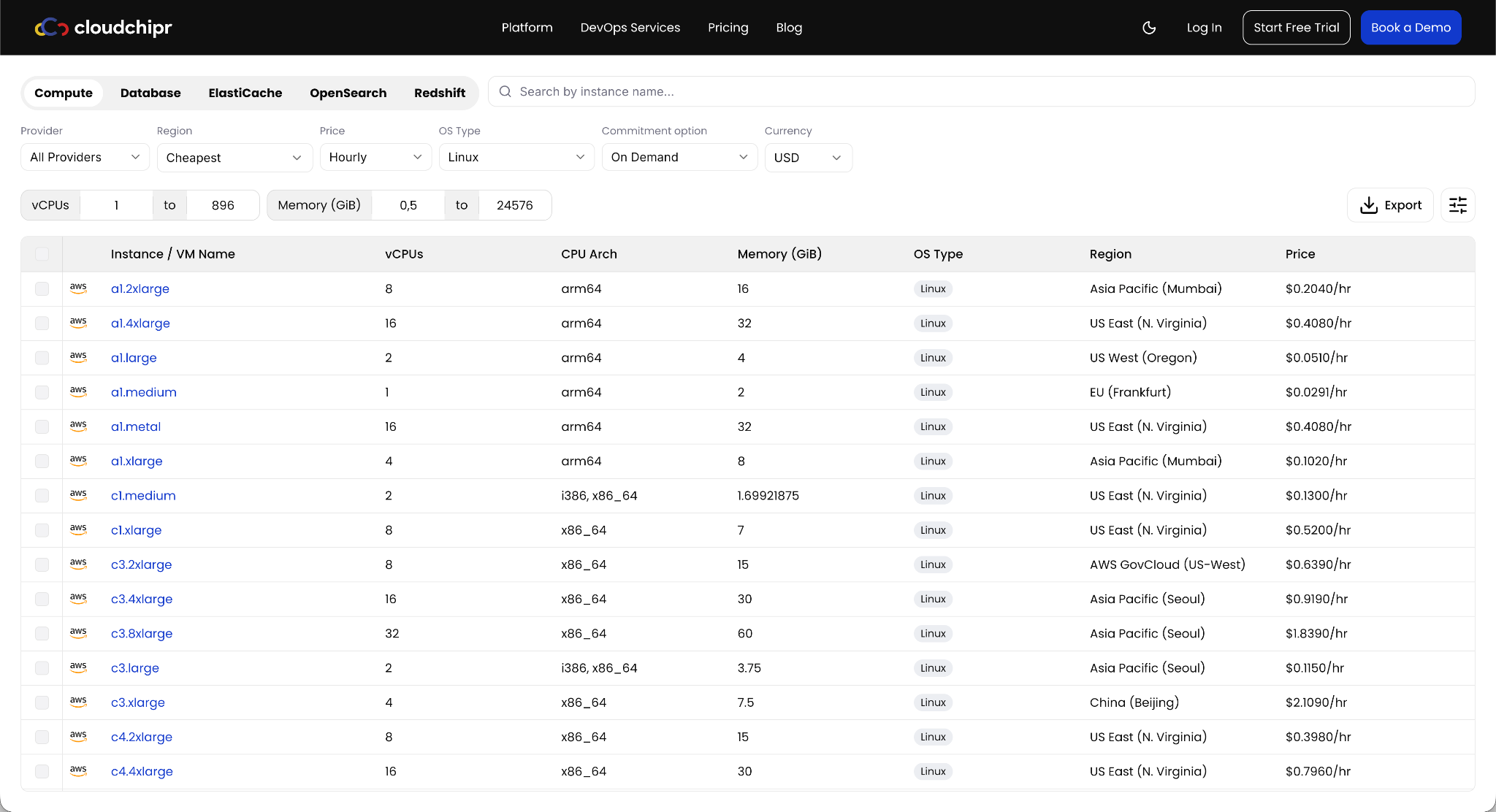
Expanded Multi-Cloud Instance Library
The Instance Library has been expanded to include AWS, Azure, and GCP resources. This provides broader visibility across multi-cloud environments and improves resource analysis across supported providers.
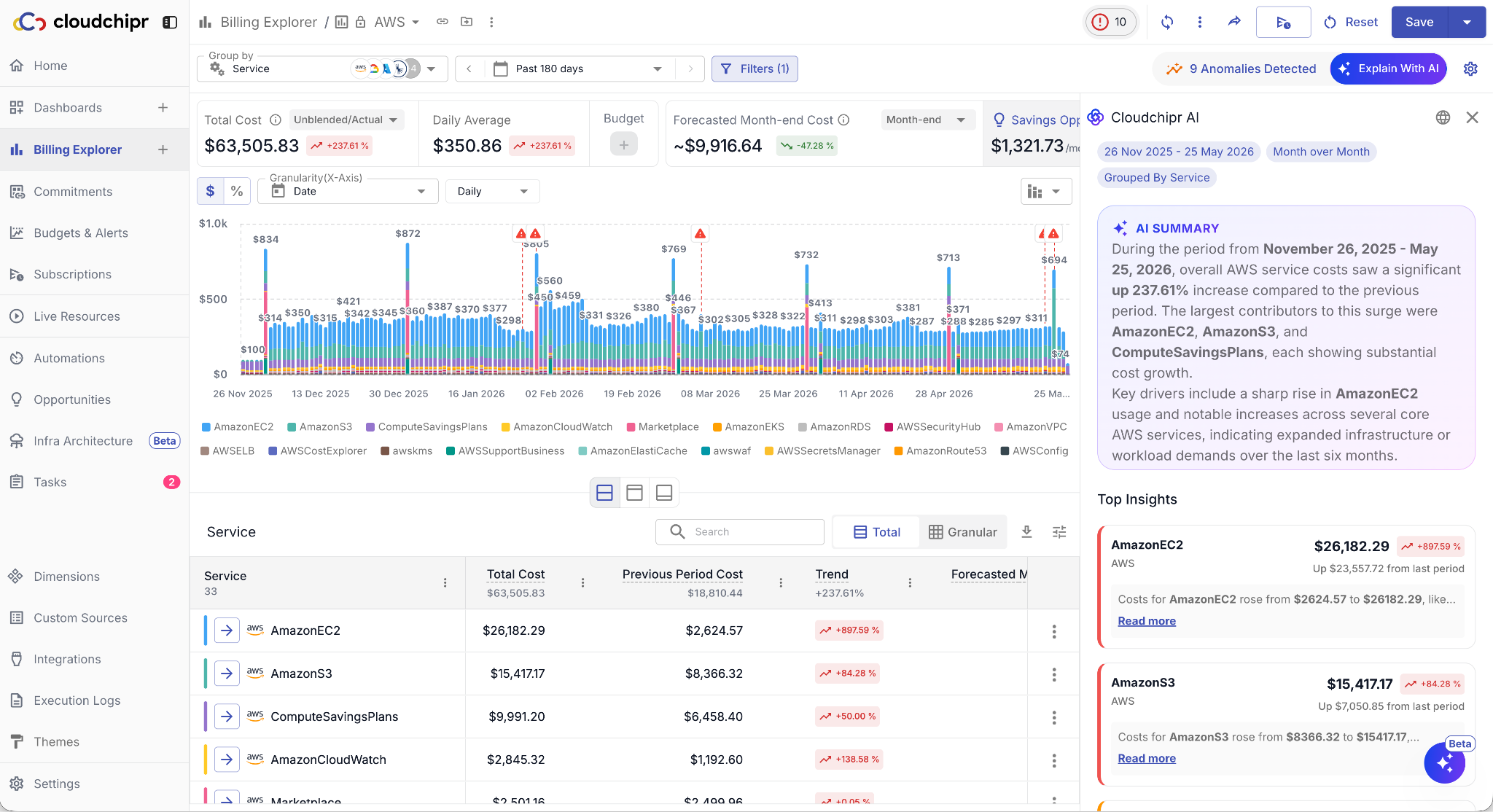
Updated Explain AI Experience
The Explain AI experience in Billing Explorer has been redesigned. AI-generated explanations now provide a clearer overview of what changed, along with top insights based on the selected grouping and filtering configuration. This makes it easier to identify the primary drivers behind cost changes and anomalies.
These are some of the key updates included in this release. In addition to these enhancements, we’ve implemented multiple bug fixes, usability improvements, and performance optimizations across the platform, many driven directly by customer feedback.